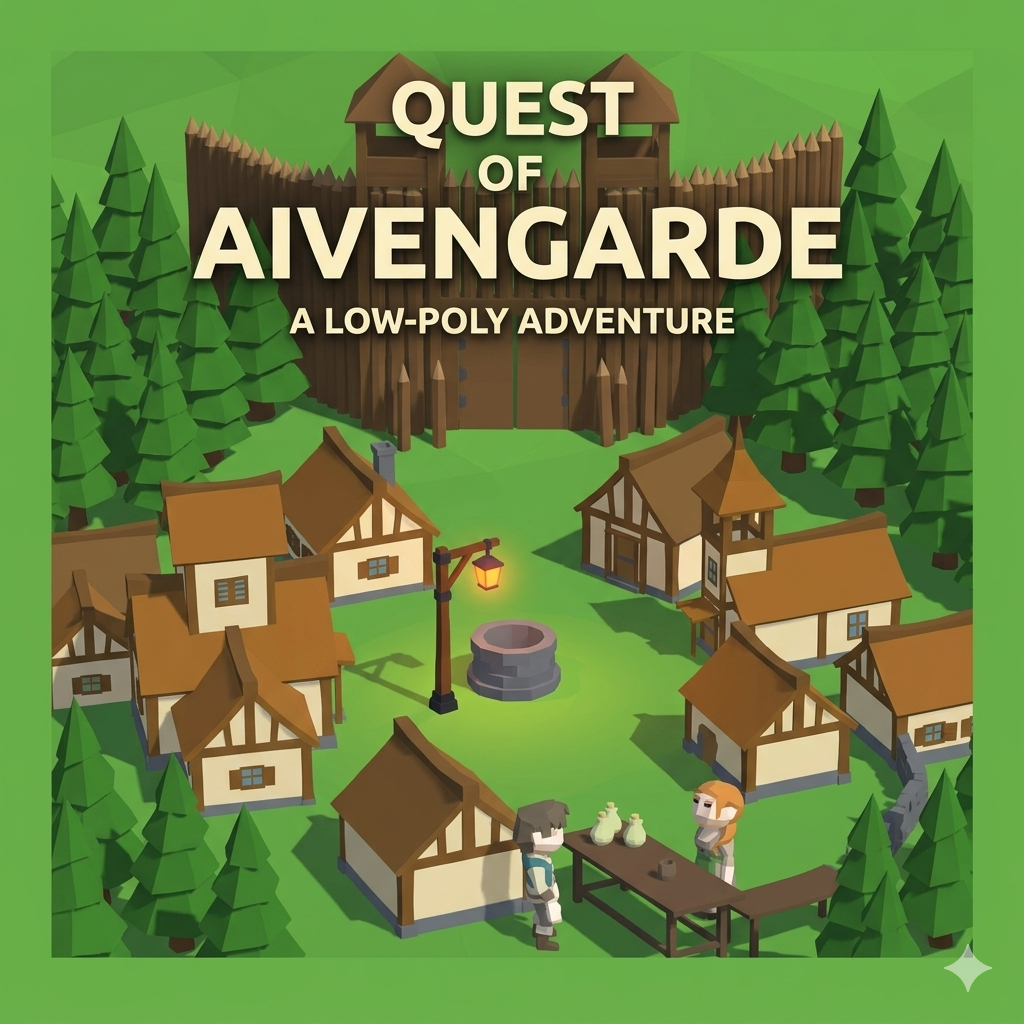
Quest of Aivengarde
Developed as a Master's Thesis within the MSc Game Development and Learning Technology program at SDU Metaverse Lab.
Tech Stack
About the Thesis
This Master's thesis explores the integration of Large Language Models (LLMs) into video game dialogue architectures. While contemporary generative AI offers unprecedented conversational freedom, its explicit impact on player immersion, narrative agency, and experience has lacked structured empirical validation. This study bridges that gap by running comparative user tests on different dialogue structures.
System Architecture
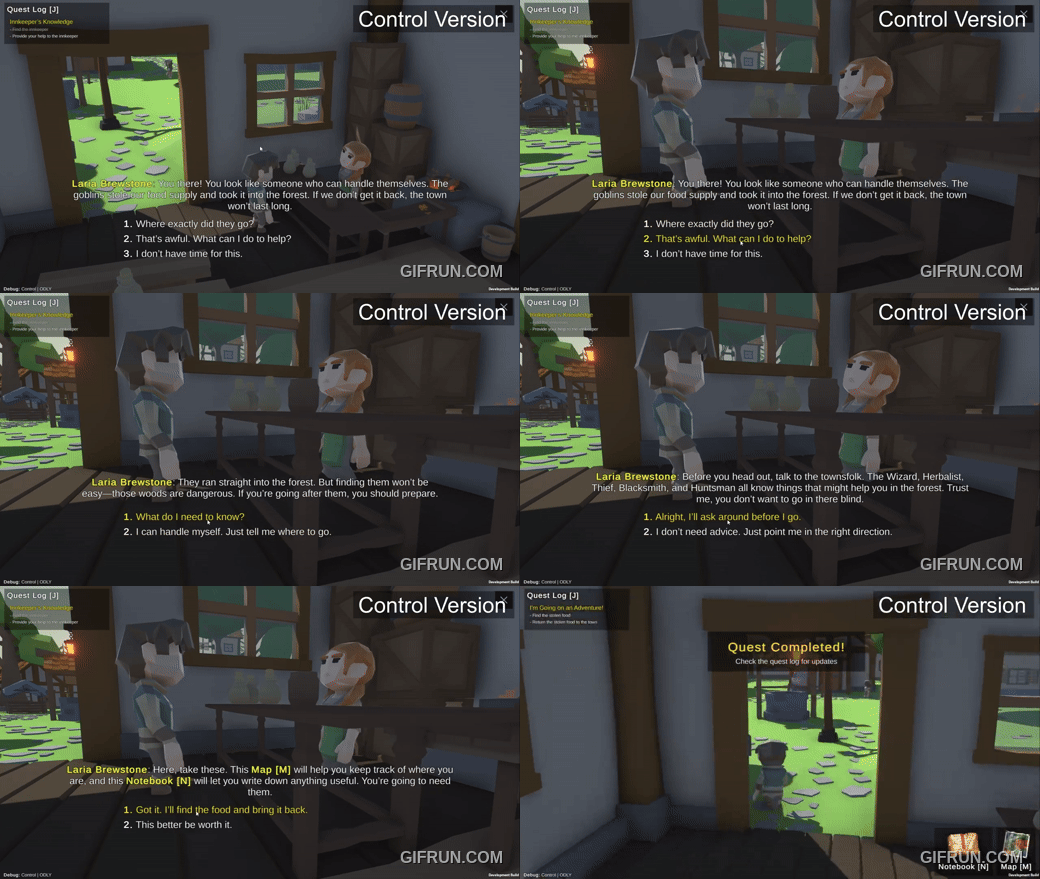
To conduct the study, we developed a specialized role-playing game (RPG) in the Unity Game Engine built entirely around conversational mechanics. The technical backbone communicates with remote LLM endpoints, parsing raw outputs into structured JSON payloads. This custom setup handles dynamic text updates and handles non-deterministic system behaviors to ensure stable gameplay.
Dialogue Systems Compared
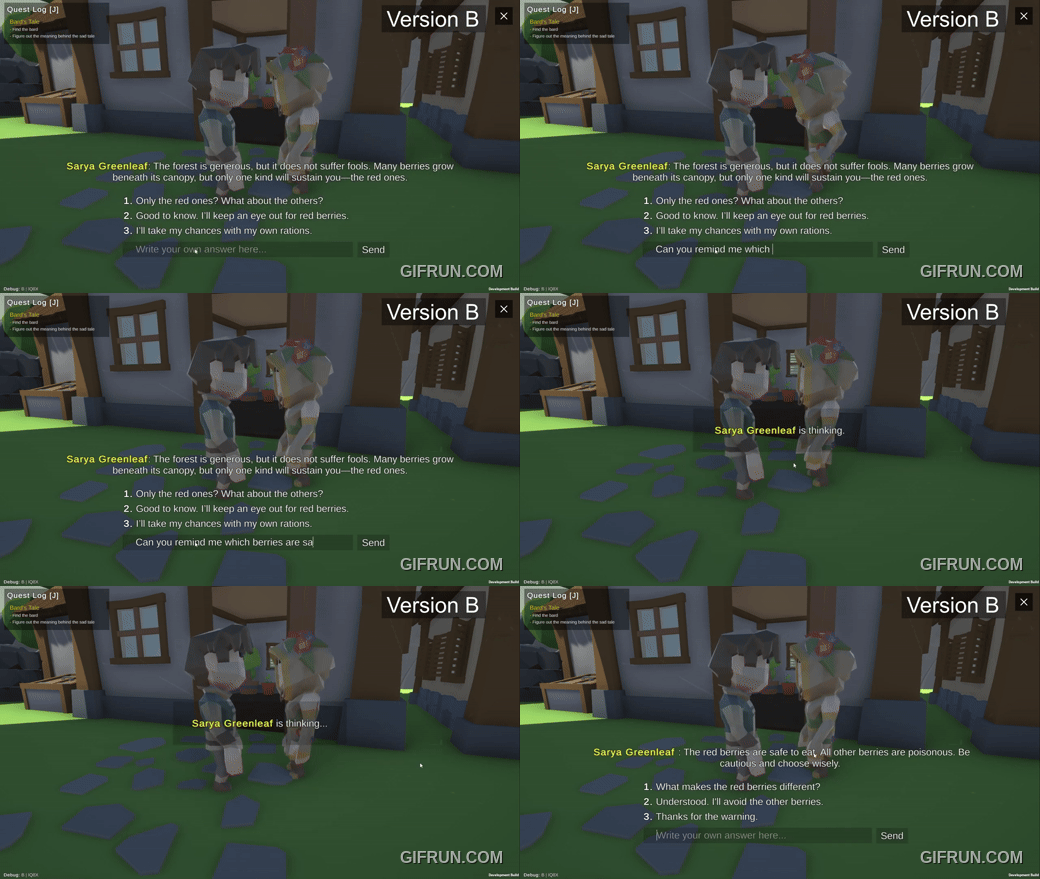
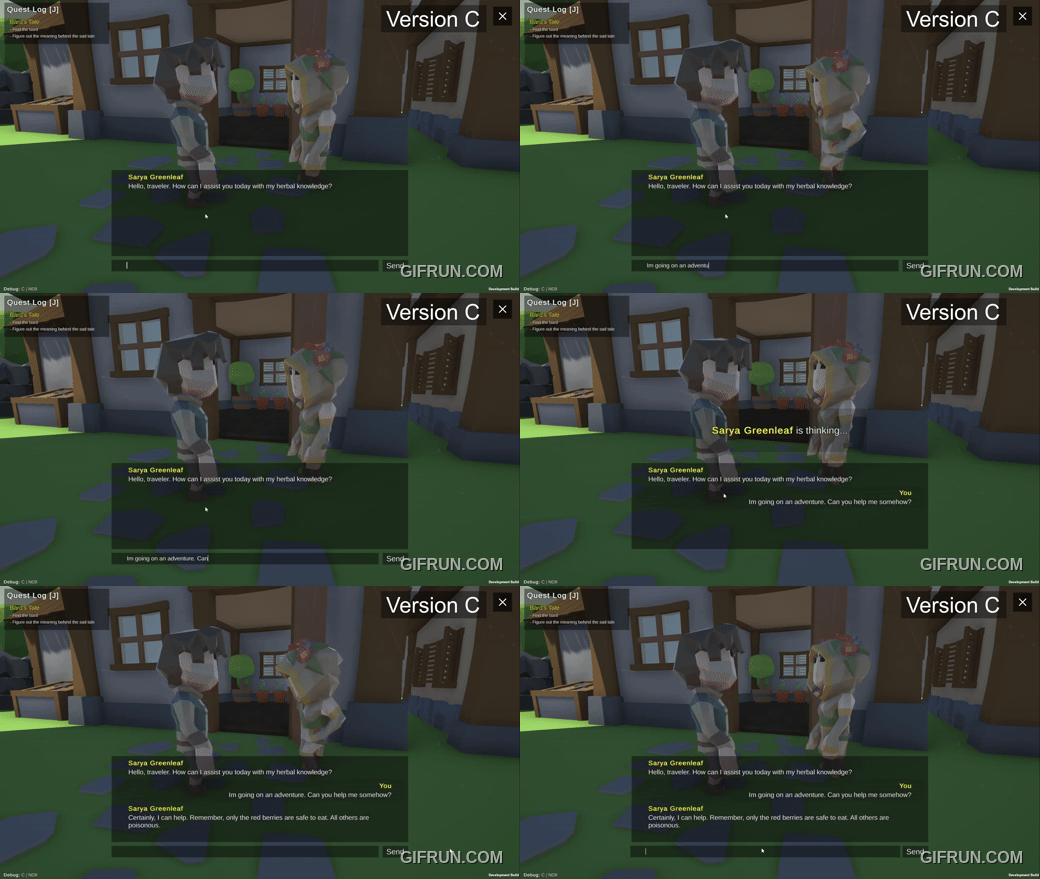
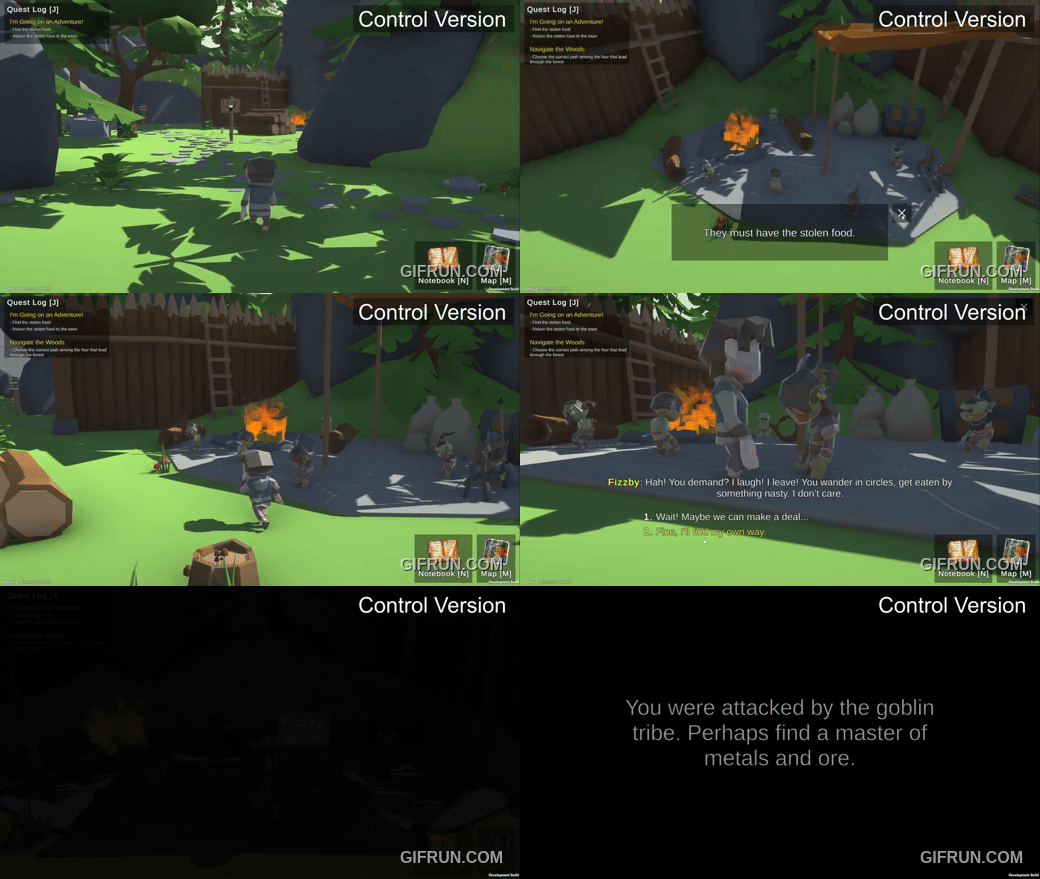
The framework tests traditional player agency against open-ended AI inputs. It evaluates variations ranging from classic fixed choices to complete player-typed text entry. By testing these conditions side-by-side, the research quantifies exactly where dynamic generation enhances narrative presence and where it creates friction or fatigue.
Empirical Methodology
Player experiences were evaluated using a rigorous mixed-methods approach. We integrated quantitative metrics from the Player Experience and Game Experience Questionnaire, alongside qualitative interviews. This configuration provided concrete data on emotional absorption, cognitive load, and visual focus.
Key Findings
The findings highlight a distinct trade-off between absolute player freedom and structured narrative design. While unconstrained text input increases agency, it introduces unique challenges regarding pacing, system latency, and cultural alignment. The study offers concrete design guidelines for future game developers blending generative AI with traditional interactive storytelling.